

How to spot a fake iPhone 17 Pro Max (and 17 Pro)


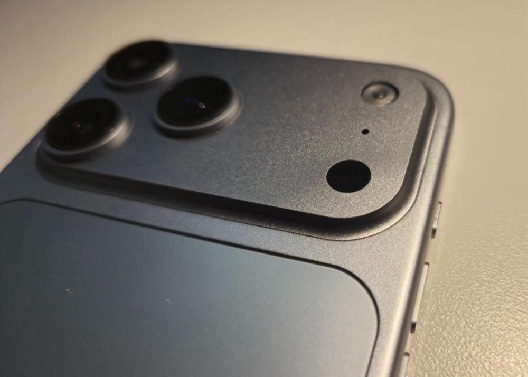
Buying phones in the second-hand market can be risky. Even more so when you are looking for a device that is over £1,000. The number of counterfeit devices shipped in convincing packaging is on the rise, and many buyers only discover there’s a problem when it’s too late.
That is a pattern we see often at vendi. So, we want to help you spot the fake vs real iPhone 17 Pro Max differences so that you can avoid the scam and make confident decisions. Every check below works on the iPhone 17 Pro too, because both phones share the same design.
If you’re selling an iPhone rather than buying one, get an instant quote for your iPhone and skip the marketplace risk altogether. We’ve also written guides on how to spot a fake Apple Watch and how to spot fake AirPods Pro.
The 60-second check
Most fakes fail at least one of three checks that take about a minute. Do them before you hand over any money, even if the box looks perfect. A replica can copy the outside of an iPhone, but it can’t copy Apple’s records.
-
Settings > General > About. The model name should read iPhone 17 Pro Max (or iPhone 17 Pro), and the capacity should match the listing. Take the serial number and IMEI from this screen, not from the box.
-
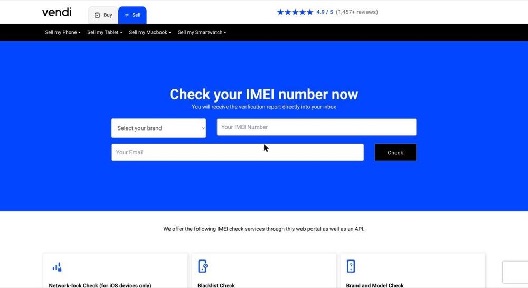
vendi’s IMEI checker. It shows whether the phone has been reported lost or stolen, whether it’s network locked, and whether the model matches the IMEI.
-
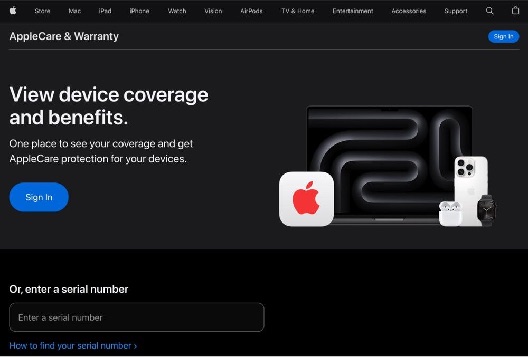
Apple’s coverage check. Enter the serial number. It should show the same model, and a sealed phone should show as not yet activated.
If there’s no About screen, the App Store opens Google Play, or the phone asks you to sign in with a Google account, it runs Android. It’s a fake, whatever the box says.
The growing problem of fake iPhone 17 Pro Max phones
The high demand for premium devices such as the iPhone 17 Pro Max makes them attractive for fraud. However, if the box looks good, most buyers will not question it.
What is new is the level of detail. There is now an attempt to replicate fake phones and boxes in:
- Apple’s minimalist design
- Printed product information
- Even the seal and opening experience

Apple has also switched to entirely fibre-based packaging, without plastic shrink-wrap. This is something counterfeiters attempt but rarely achieve convincingly.
As a result, more and more buyers are receiving devices that appear authentic at first glance, but do not pass basic authenticity checks.
Spotting a fake iPhone 17 Pro (non-Max)
The iPhone 17 Pro and 17 Pro Max share the same aluminium unibody and the same 48MP triple camera, so every check in this guide applies to both. The main difference is size: the 17 Pro has a 6.3-inch screen and the Pro Max a 6.9-inch one.
That makes it easy to sell one as the other. A listing can say Pro Max while the phone in the photos is the smaller Pro. Check the model name in Settings > General > About, not on the box. If you own a 17 Pro and want to sell it, get a quote for your iPhone 17 Pro.
The unofficial guide to buying a second-hand iPhone
4 ways to spot a fake before you buy
1. Know who you’re buying from
When you can, we always advise staying away from private sellers. If you do go down that route:
- Request detailed images of the iPhone 17 Pro Max (if sealed, of its box)
- Ask for the IMEI or serial number and check its blacklist status.
- Run it through vendi’s IMEI checker and Apple’s coverage check
If the seller delays or refuses to help, that is already a red flag.
Check reviews properly
Reviews tell a story. Look for:
- Repeated complaints about authenticity
- Reasons behind low ratings
- Inconsistent feedback patterns
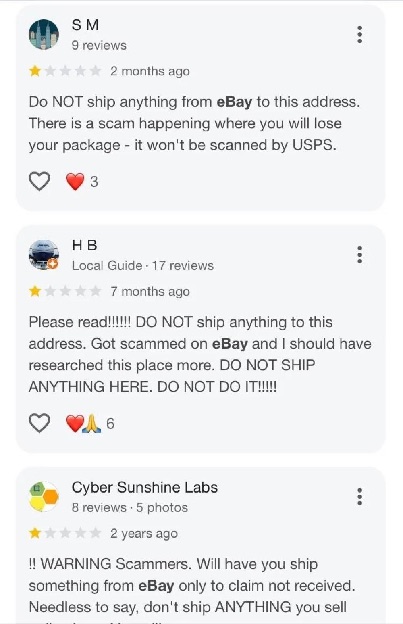
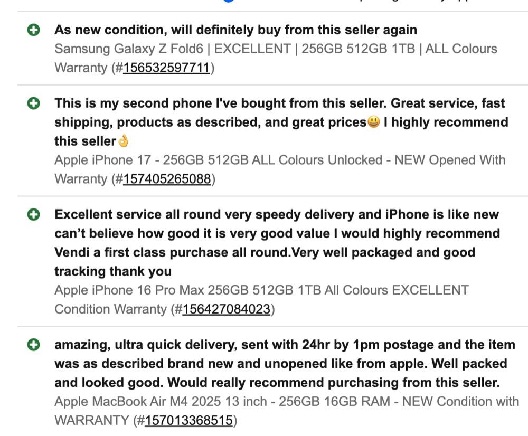
Across time, genuine sellers show clear and consistent reviews.
Record the delivery process
When your device arrives, hold off on unboxing right away.
We always recommend filming:
- The parcel before opening
- The unboxing process
- The condition of the seals
If things do not go as expected, this becomes your evidence.
2. What to look for first: outside signs of a fake iPhone 17 Pro Max
The box marks your first true checkpoint. In many cases, you can identify a fake before even touching the device.
Seals: the first red flag
An authentic Apple seal is firm and has a slight plastic feel. It is clean, precise, and consistent.
A fake seal often:
- Feels like thin paper
- Has uneven edges
- Shows glue marks or air bubbles
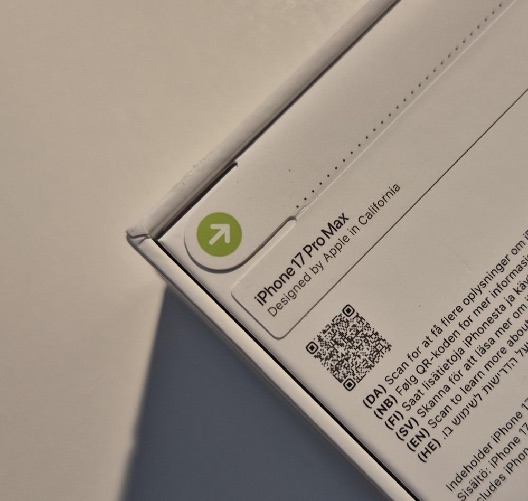
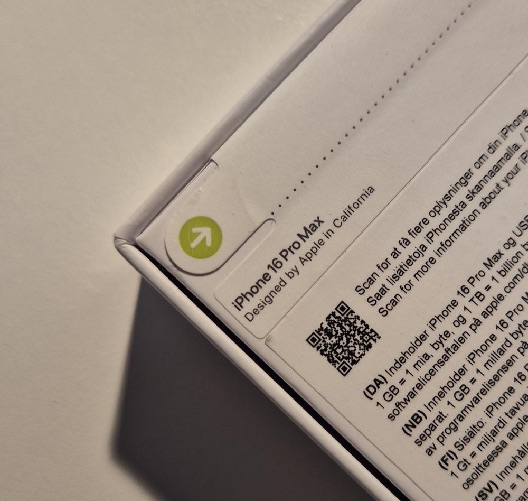
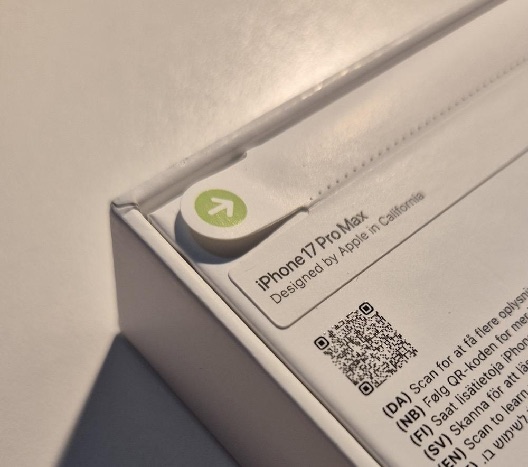
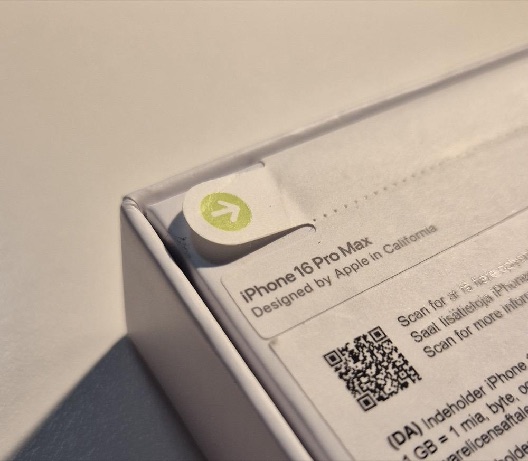
Left images of a real iPhone, right images of a replica.
Look at the model name, too. The replica box in these photos is printed “iPhone 16 Pro Max”, not 17 Pro Max. A wrong model name on the label is a giveaway on its own.
Also, watch for resealed boxes. Even if the box is real, signs like glue residue or small tears suggest it has been opened before.
Box design and alignment
Apple packaging is extremely precise. Everything is centred, balanced, and uniform.
On a fake box, you may notice:
- Slightly off-centre images
- Incorrect colours or tones
- Differences in the product image
These small details are often missed, but they are one of the easiest ways to detect a fake.
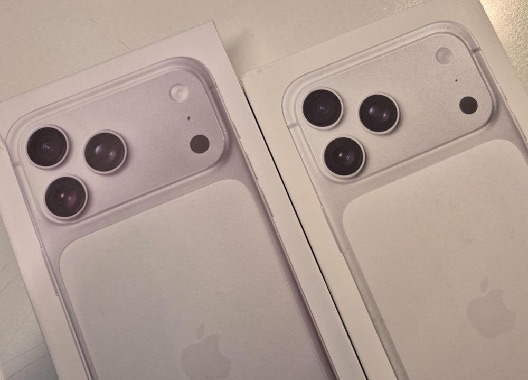
Replica on the left, real iPhone box on the right.
Box information and printing
This is one of the most definitive checks.
On a real iPhone box:
- Information is printed directly onto the box
- You can feel the texture of the print
On a fake:
- Labels may be stickers
- Fonts may look slightly different
- Spacing can be inconsistent
Some genuine international units may include stickers, so use this check alongside others.
Some repair specialists also shine a UV torch on the box. In Phone Repair Guru’s teardown, a fake 17 Pro Max box looked and felt right but failed this test: the hidden print that glows on a genuine box was missing.
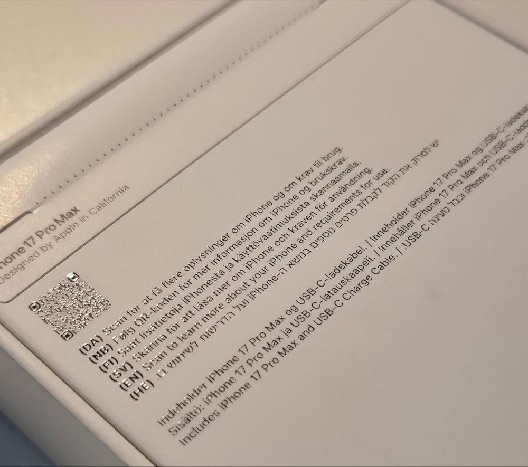
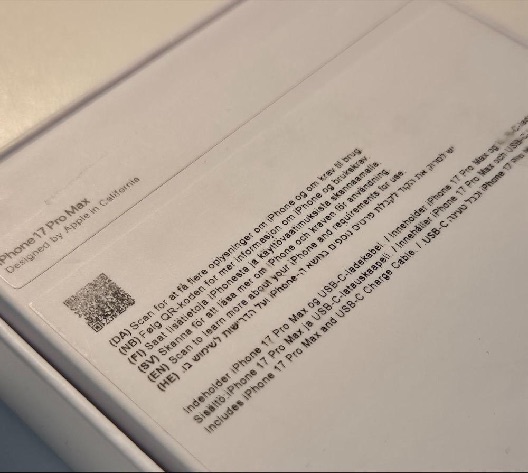
Left image of a real iPhone, right image of a replica.
Activation status check
Before unboxing, validate the device using Apple’s coverage checker.
If the device is already activated, it typically means:
- The phone has been used
- The box has been resealed
- Or the device is not genuine
This step alone can save you most problems.
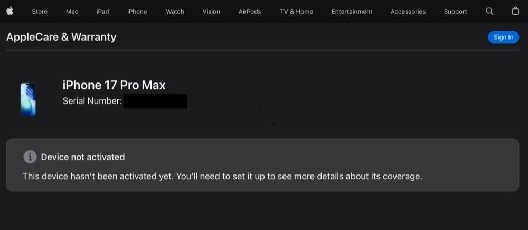
What’s inside a genuine iPhone 17 Pro Max box
A genuine iPhone 17 Pro Max box keeps things simple. You will find:
- The iPhone itself
- A USB-C charging cable
- Minimal Apple documentation
- SIM tool (depending on region)
Apple no longer includes chargers or headphones.
If you open the box and see:
- Extra accessories
- Poor packaging quality
- Loose or badly placed items
You should immediately question the authenticity.
3. Inside signs: hardware differences after unboxing
If the device passes the box checks, the next step is inspecting the phone itself.
Build quality and housing
Apple’s build quality is precise. Everything feels solid and uniform.
On a suspicious device, look for:
- Irregular edges or corners
- Visible joins or gaps
- Camera housing made of multiple parts instead of one
These are strong indicators of a fake.
Then test MagSafe. The 17 Pro and Pro Max both support it, so a MagSafe charger or case should snap into place and hold. Many clones have weak magnets or none at all.
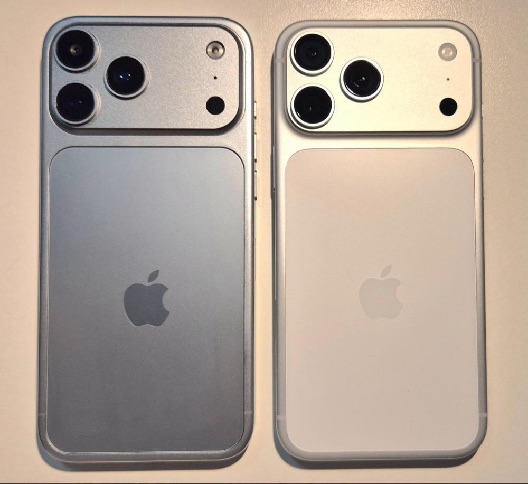
Real iPhone on the right, replica on the left.
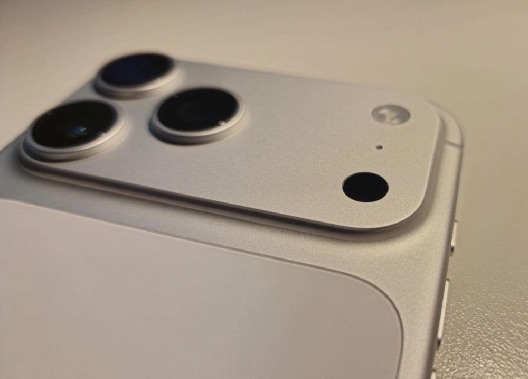
Left image of the replica, right image of the real iPhone.
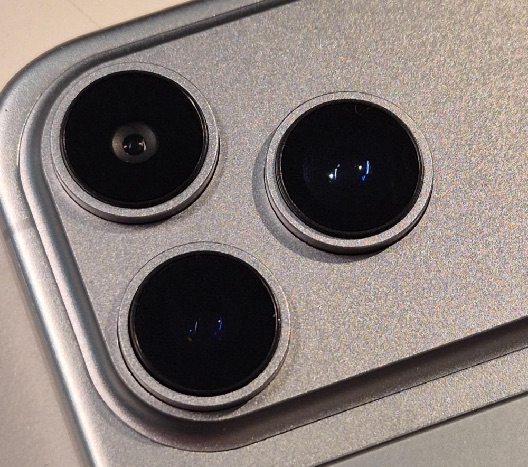
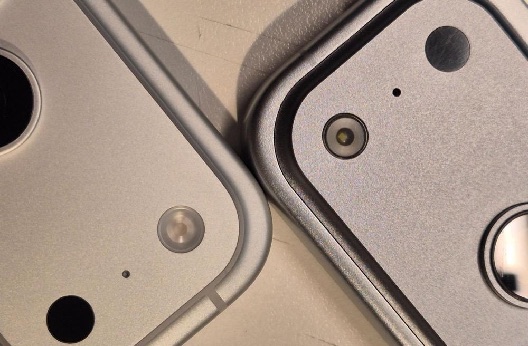
Camera details
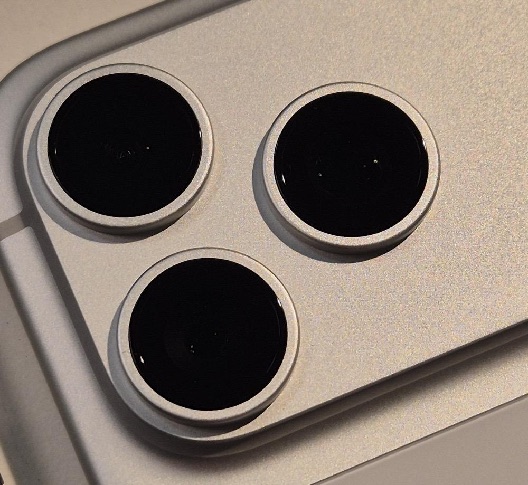
The camera is often the clearest giveaway.
Differences may include:
- Unusual lens colours
- Incorrect shapes
- A flash that looks different from official models
Even if it appears similar, it is rarely identical.
Real iPhone on the left, replica on the right.
Buttons, SIM tray and speakers
Small details matter.
Check for:
- Misaligned buttons
- SIM tray not sitting flush
- Uneven speaker holes
These inconsistencies are common in counterfeit devices.
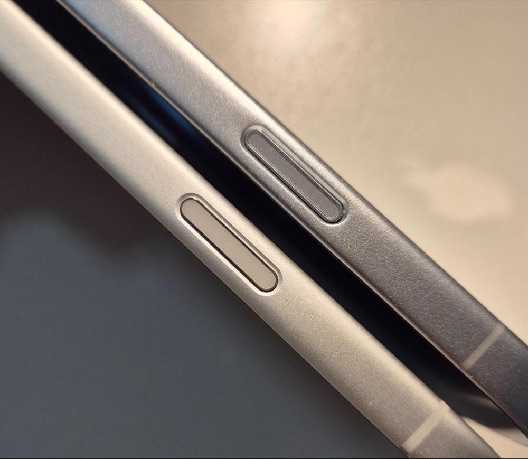
Real iPhone on the left, replica on the right. Replica on the left, real iPhone on the right.
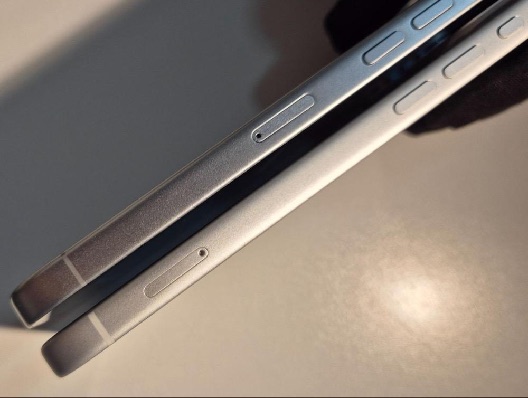
Screen and bezels
Power on the device and observe the display closely.
A genuine iPhone will have:
- Thin, even bezels
- A clean and well-defined front camera area
A fake often shows:
- Thicker or uneven borders
- Slightly off front camera placement
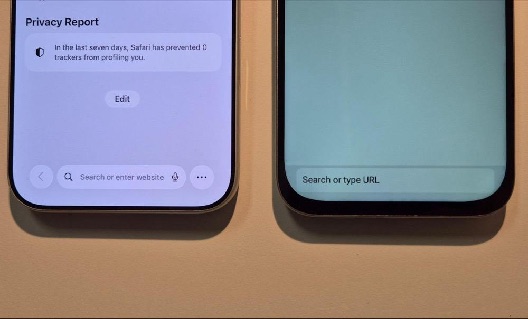
Real iPhone on the left, replica on the right.
Also, the front camera and Dynamic Island would look different, as in the cases stated in the previous point.
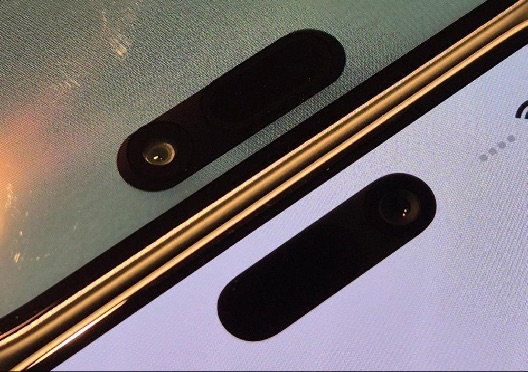
Replica on the left, real iPhone on the right.
4. Software signs that confirm a fake
Even the best copies fail when it comes to software.
Performance and transitions
A genuine iPhone is fast and smooth.
A fake device may:
- Take longer to start
- Show laggy animations
- Have irregular boot screens or lighting
These are immediate warning signs.
Interface and app layout
Look closely at:
- App icons
- Fonts
- Layout spacing
On fake devices, these elements are often slightly off.
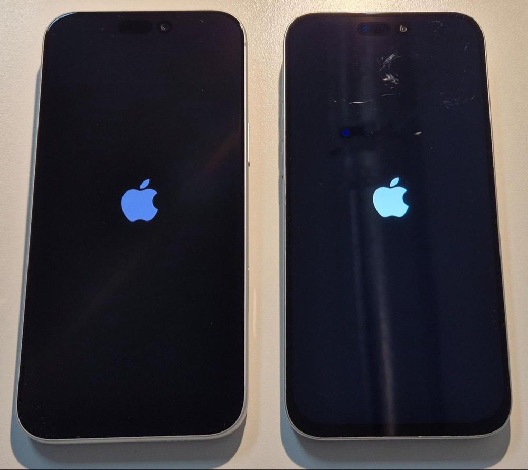
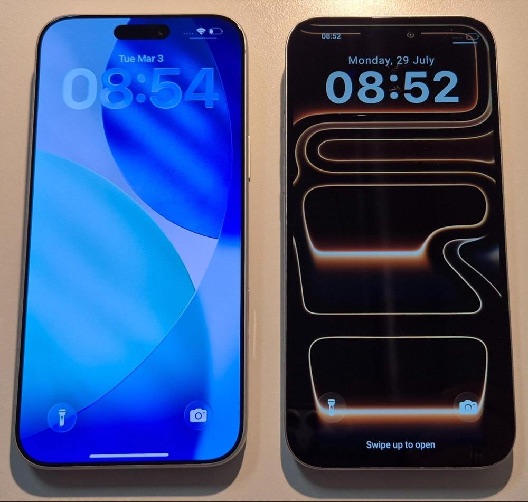
Real iPhone for all images on the left, replica on the right.
App functionality
Open a few apps, especially the camera.
Common issues include:
- Poor image quality
- Features that do not work properly, such as zoom
- Different interface design
Also, watch for apps that should not be there. A new iPhone will not come with pre-installed third-party apps.
The quickest software test is the App Store. Open it and sign in with your Apple ID. A fake can’t, because it runs Android under an iOS-style skin. The replica below hides the Google Play Store, Chrome and Google in its Utilities folder.
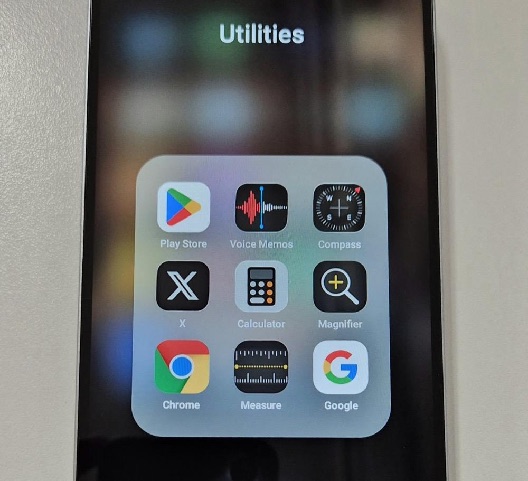
Replica: Google apps hidden in the Utilities folder.
When the fake is a real, older iPhone
Not every fake runs Android. Some sellers fit a real, older iPhone into a 17 Pro-style back and frame. It passes the App Store test, because it is an iPhone.
The IMEI gives it away. It still belongs to the older model, so vendi’s IMEI checker flags the mismatch between the model and the IMEI. Settings > General > About will also show the older model name.
Fake iPhone 18s are starting to appear
As of October 2026, our team has started to see the first fake iPhone 18 models. So far they look a lot like the fake 17s in this guide. We’ll add more detail here as we check more of them.
Early video teardowns of fake iPhone 18 Pro Max units show the same approach: Android dressed up to look like iOS, inside a copy of the new design.
Fake iPhone 17 Pro Max FAQs
Are there fake iPhone 17 Pro Max phones?
Yes. Some are non-working display dummies. Others are working Android phones made to look like a 17 Pro Max and sold as the real thing. The second kind is what this guide helps you catch.
How much does a fake iPhone 17 Pro Max cost?
As of October 2026, non-working dummies are listed on eBay and Alibaba for about £7 to £20. Working clones cost more. A price far below the going rate is a warning sign, but some fakes are sold at full price, so run the checks either way.
Is it illegal to sell a fake iPhone in the UK?
Yes. Selling goods with a fake trade mark is a criminal offence under section 92 of the Trade Marks Act 1994, with a maximum sentence of 10 years in prison. If you’ve been sold one, report the seller to the platform and to Report Fraud.
How do I check if my iPhone 17 is real?
Start with the 60-second check: Settings > General > About, vendi’s IMEI checker, then Apple’s coverage check. If all three show the same model and the App Store lets you sign in with your Apple ID, you can be confident the phone is genuine.
Final word: buy at your own risk
It all comes down to details when identifying a real vs fake iPhone 17 Pro Max. Check the seals, print quality, alignment, and activation status before even powering on the device.
Once opened, hardware and software checks make things even clearer.
It can be a risk, and a costly one. We can help. At vendi, we believe buying and selling tech should be simple, secure, and transparent. That is why we offer:
- Instant online quotes for your devices
- £10 towards postage, with a Royal Mail tracked label
- Same-day payment if your device arrives before 2pm
- No seller fees, no hidden deductions
If you are upgrading, there is no need to take risks in the market.
Sell your iPhone with vendi, get paid quickly, and use that value towards your next device with confidence and no guesswork. If it’s a 17 Pro Max, get a quote for your iPhone 17 Pro Max.

Sell your device
Sell your preloved devices instantly at the best price on the market with same-day payment!
Sell Now